
Organic Farming Research Foundation works to foster the improvement and widespread adoption of organic farming systems. OFRF cultivates organic research, education, and federal policies that bring more farmers and acreage into organic production.
OFRF NEWS
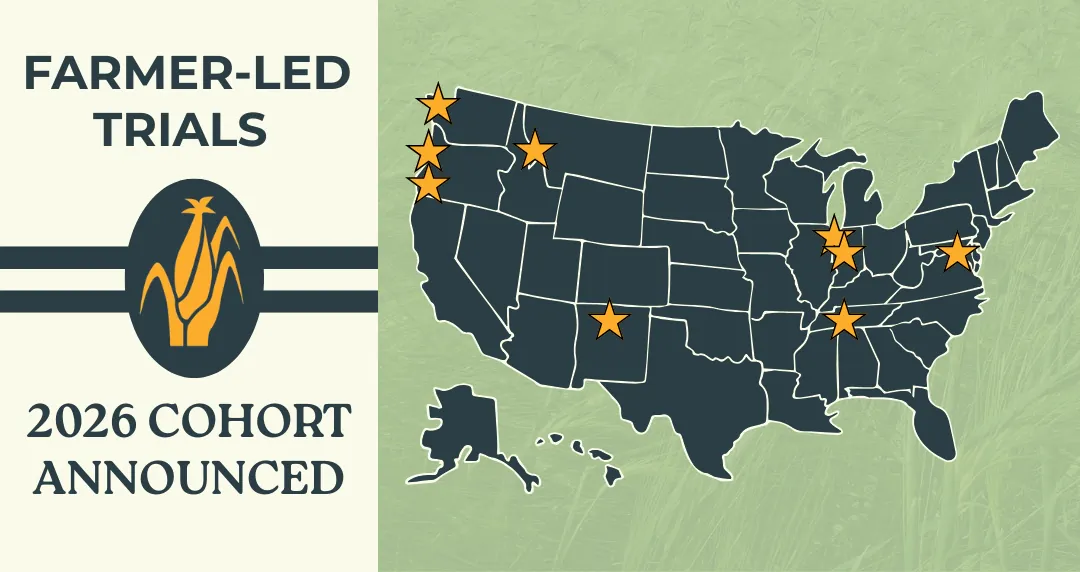
OFRF Announces 2026 Farmer-Led Research Trials Cohort
OFRF announces the 2026 Farmer-Led Research Trials Cohort. Nine organic farms across the country have been selected to receive technical support for next round of innovative on-farm research trials.
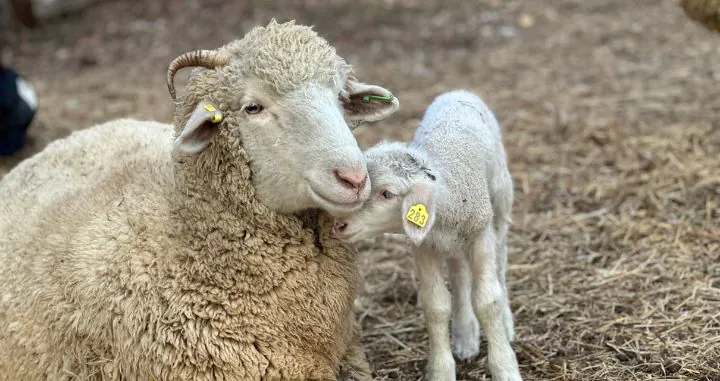 Source: Mesta Meadows
Farmer-Led Trials Program Spotlight: Mesta Meadows
Mesta Meadows, a family-owned ranch in the Ozark Highlands, prioritizes responsible land and animal stewardship. Farmer Ed Crowley is participating in OFRF's Farmer-Led Trial Program to experiment with using forage species as a natural deworming agent for their lambs.

Post House Agriculture Committee Markup: How OFRF is Viewing Organic Research Priorities in the Farm Bill
Congressional authorization for the Organic Transitions Program (ORG) was included in the House Agriculture Committee’s Farm Bill markup on March 4, 2026, which could present an opportunity for Senate Agriculture Committee members to take a meaningful step in right-sizing federal funding for organic agriculture research this year.
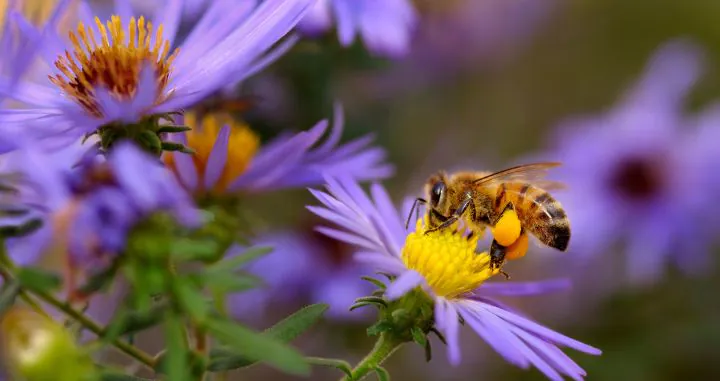
The Power of Shared Narrative: Lessons from the Institute for Agroecology
Earlier this year, OFRF staff met with Shane Rogers, of the University of Vermont’s Institute for Agroecology, to learn more about their work and explore how narrative strategy and a joyful mapping project can help build a stronger food movement.
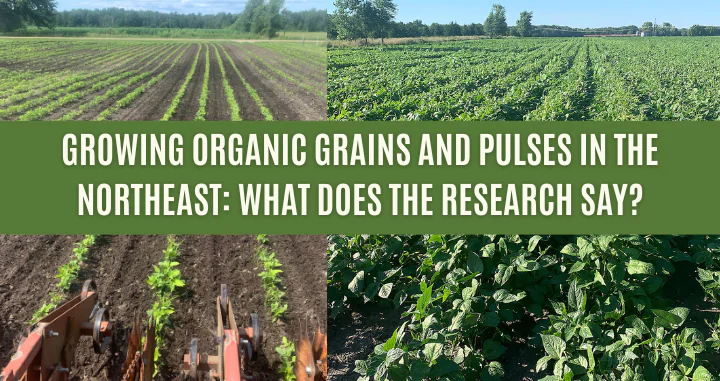
Growing Organic Grains and Pulses in the Northeast: What Does the Research Say?
Organic grain and pulse farmers in the northeast face challenges including finding crop rotations, effective and economical seeding rates, and weed management, to name a few. Organic research projects across the northeast have insights about these challenges and how farmers might address them.
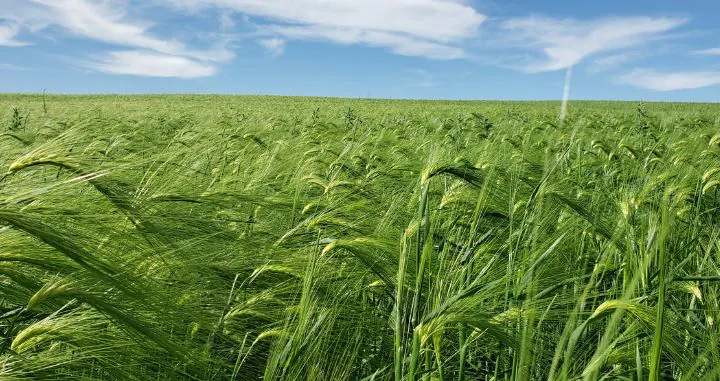
From Conventional to Certified: Transitioning to Organic in the Northwest
Three farmers with roots in conventional agriculture share their challenges and successes navigating the transition to certified organic production in the Northwest.
THANK YOU
to OFRF’s current partners