Carol Deppe, Owner Fertile Valley Seeds
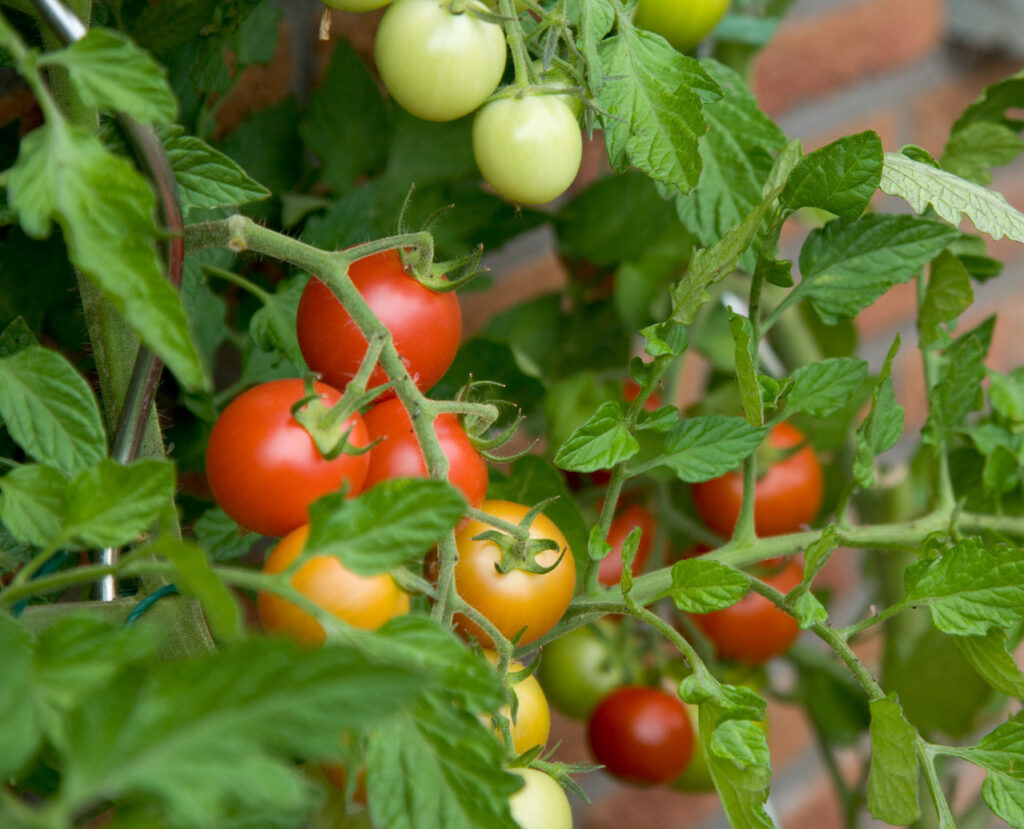
The object of this project is to breed disease-resistant heirloom-quality tomatoes, especially those resistant to late blight and a number of other diseases. I have already crossed ten premiere heirloom tomato varieties—full-size red, pink, black, orange, and paste types—to the hybrid ‘Iron Lady’, which is resistant to late blight and a number of other relevant diseases. And I have developed the second-generation (F2) populations from each of these ten crosses. This year, the grant year, I’ll use marker assisted selection to identify most of the disease resistance genes in each transplant before transplanting them to the field. (This involves taking a sample of leaf from each transplant and sending the samples to a laboratory that can identify the genes in each sample.) This way I’ll be able to plant only the transplants that have the desirable disease resistance genes. I’ll evaluate plants in the field based upon plant form and vigor, maturity, fruit color, shape and flavor. I’ll derive a number of lots of seed from each cross. These lots of seed will be distributed far and wide to allow organic farmers and gardeners to easily develop their own heirloom-quality tomato varieties with resistance to modern disease. Many of the lots of seed will already be pure-breeding for late blight resistance, so breeders working with it will not need to select for late blight resistance. (You might or might not have it in your field any given year.)